Do you like this podcast? Would you like it to keep going?
It can only thrive and continue with listener support. If you listen to the show but don’t yet support it, please do support it now: patreon.com/connerhabib
AEWCH HAS BEEN CASTING FOR OVER EIGHT YEARS & OVER 300 EPISODES. ITS ONLY FINANCIAL SOURCE IS LISTENER SUPPORT VIA PATREON.
Thank you.
LISTEN ABOVE VIA SOUNDCLOUD or
SPOTIFY • APPLE PODCASTS • POCKET CASTS • CASTBOX • PLAYERFM
Friends,
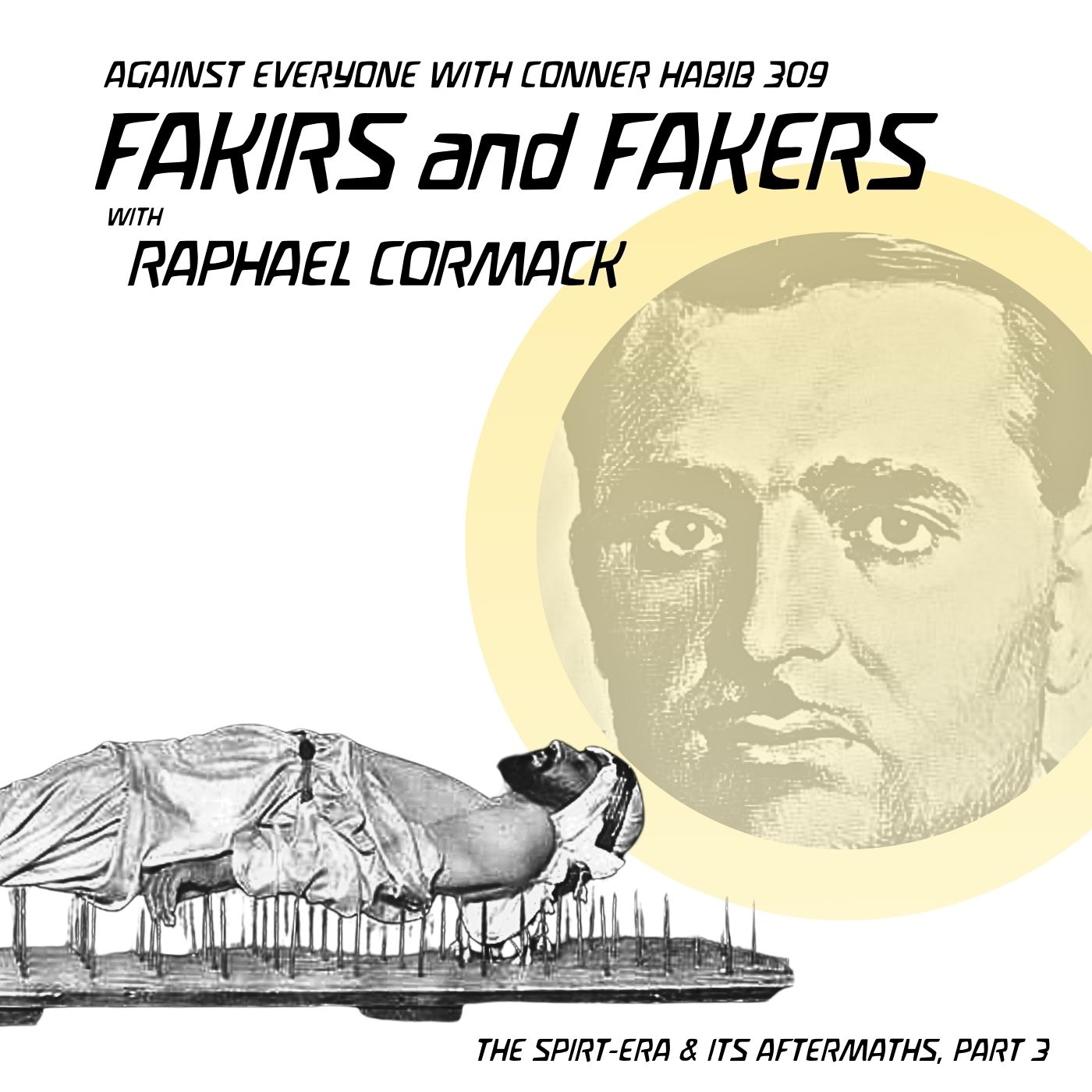
This is the third episode* in a series called The Spirit-Era & Its Aftermaths in which I look at the way spiritual, technological, and occult flourishings at the turn of the 19th into 20th century are still with us today, and in fact, being echoed by our own time.
The Spirit-Era is marked by occultists, paranormal investigators, and magicians… But it is also marked by performances of all kinds: stage magic, but also actual magic. Stage magic passing as real magic, real magic posing as trickery. There were the performance of spiritualism, of charismatic theologians, and of feats of incredible endurance.
As in our own time, People had difficulty parsing out what was real and what was illusion. And there was no shortage of advice on how to attain magical aptitude and ability, or promises of unlimited health and vitality.
Beyond this difficulty distinguishing truth from fantasy, there was a thrilling draw to the ambiguity, and whatever power might be there, in the spot in between what was and what might be. This negative space, this open area of reality, affected people all over the world, including the middle east.
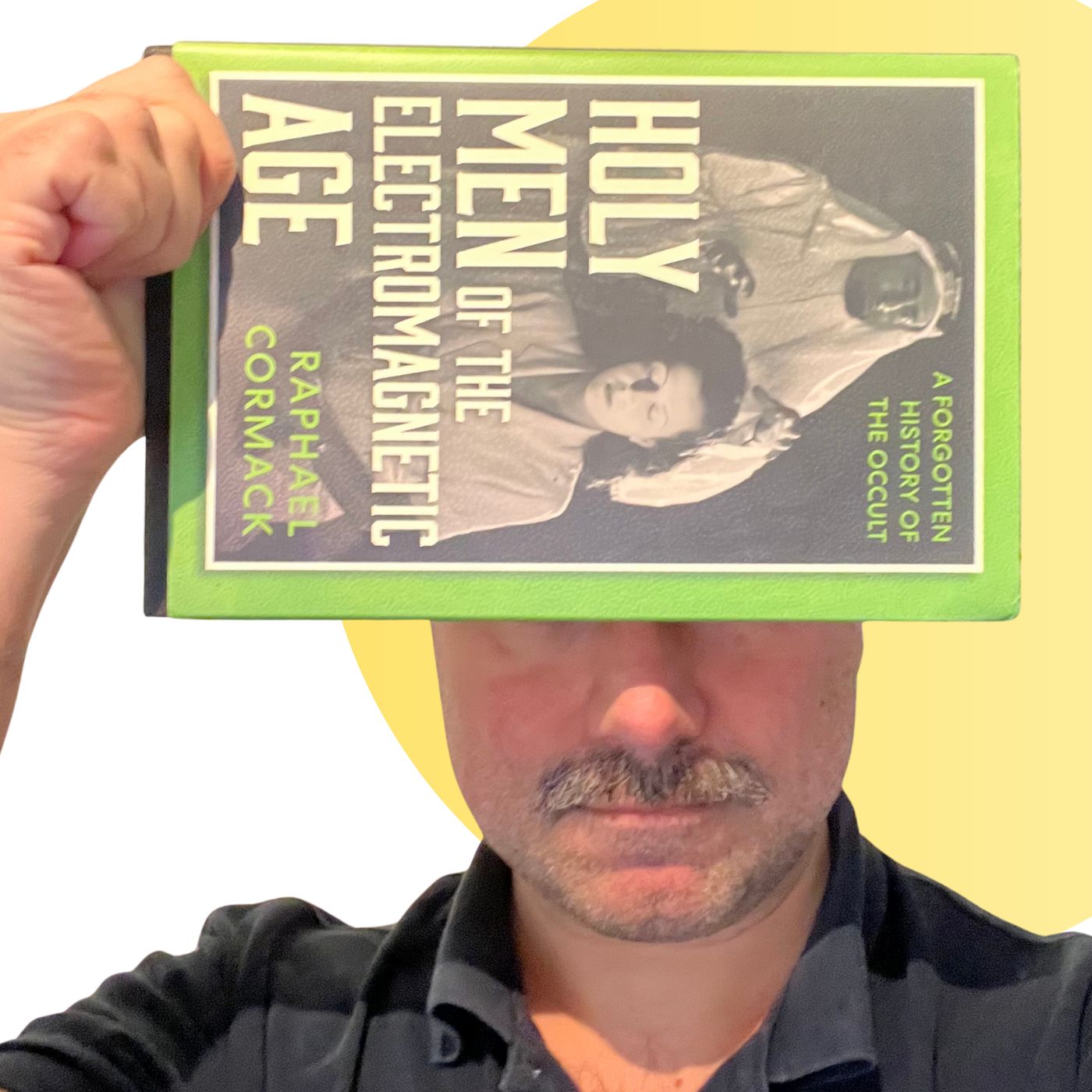
These tensions – between genuine and the spectacular, strengthening and the seducing, are the themes of this installment in the series – on Fakirs & Fakers with DR. RAPHAEL CORMACK, Assistant Professor in the School of Modern Languages and Cultures at Durham University, and author of the highly readable, eye-opening, and excellent book Holy Men of the Electromagnetic Age: A Forgotten History of the Occult
Raphael’s book, and our discussion connects us to two figures who were emblematic of their time:
The performer-fakir, Tahra Bey, an Armenian performer who achieved fame in the 1920s as a man of incredible talents; not only to drive sharp objects through his skin, to be buried alive and survive, or to lie down on a bed of nails; but also to beguile huge audiences. Tahra Bey, who fooled the world into thinking he possessed both heritage and secrets from Egypt, and that he could teach anyone to do what he did.
The other figure is Dr. Dahesh, Palestinian-born mystic and teacher, founder of the spiritual current known as Daheshism, which still has adherents today. Dr. Dahesh was said to be able to take off his own head, to spring back to life after execution, and to understand the workings of the cosmos. He was also an art collector, for whom a museum in New York is named. He remains a well-known figure in Lebanon where he was both celebrated and persecuted, but eventually moved to Connecticut, where he died in at the age of 74 in 1984.
As Raphael says in this episode,
“Writing a history of the occult is writing a history of something that doesn’t quite fit into the box of history, even on its on terms.”
So how do we interpret the performance from the truth? And what does it mean to desire not just the miracle because it astounds us, but the lack of miracles because it allows us to be complacent?
I’m so excited to share this episode with you.
(*The second episode on literature as occultism is here, and the first on the importance a ghost hunting is here.)
MORE ON RAPHAEL
Raphael’s other book is Midnight in Cairo: The Divas of Egypt’s Roaring ’20s. And he co-edited the book, The Arab Nahda as Popular Entertainment: Mass Culture and Modernity in the Middle East.
If you want more of a what’s-in-the-book interview, Raphael appeared recently on the Hermitix podcast. And here’s Raphael talking about his process as a historian doing popular writing, on the Drafting the Past podcast.
SUPPLEMENTAL READING / MATERIALS
- Here’s a link to an active Daheshim group and site.
- Here’s a link to the Dahesh Museum of Art. And here’s an article in the New Criterion about the museum’s strange distance from its origins.
- A great, fun book: Tahir Shah’s thrilling account of meeting with god-men, Sorcerer’s Apprentice.
 Conner Habib
Leave a comment