In conjunction with the many insights I’m getting as I ready for my online course UP FROM RUINS , particularly in relation to destiny, I’ve decided to offer some of it up as blog posts. The first one, on economy, money, and destiny, is for patreon patrons only, but if you’re not a patron, you can sign up to read it here.
Friends,
Many of the challenges of our time – not to mention our lives – share a feeling, that we are “stuck” on the tracks of this train going to… well, it doesn’t feel like somewhere good. In other words, they bring with them the feeling of fate or Destiny. So, the questions comes up:
Will things ever get better?
The sliver of freedom is there if you look closely, since the question still stands in opposition to the declaration that they won’t get better.
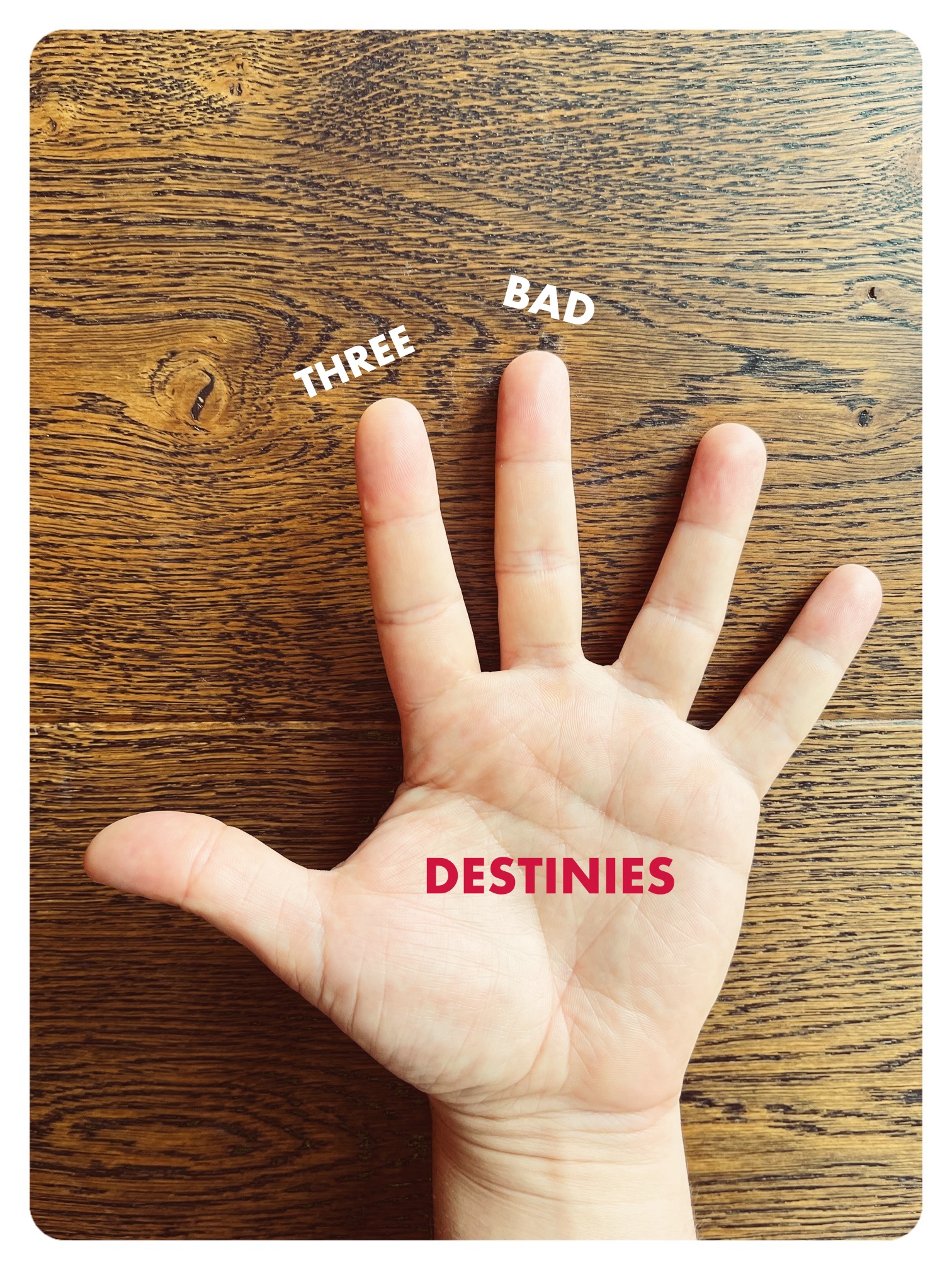
Because of the recuring proximity we feel to Destiny in our lives and the world, I want to explore here three common and bad conceptions of destiny, as opposed to what I think we can do with destiny; a practice I call Destiny-work.
BAD DESTINY # 1: THE DESTINED, INEVITABLE SHITSHOW
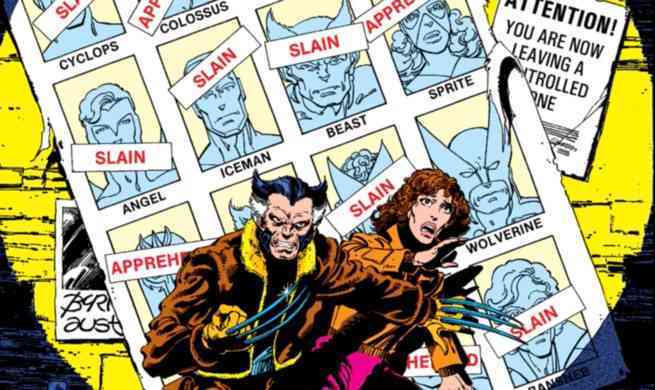
The language of inevitability is more and more present in our lives. This amounts to the contraction of a sense of choice. Two particularly potent harbingers of inevitability in our time are climate change and AI. The former acts as a constant buzz of anxiety which can attenuate itself to each and every weather report, disaster of nature, consumer choice, and more. The latter gives us the sense that something is coming that will forever alter us, and maybe we don’t want it or maybe we do, but our desire is ultimately irrelevant in the face of the speed of change. This isn’t a comment on climate change or AI, but rather how we’re meeting them. Other hotspots of inevitability include the “permanent” rule of two political parties in the US, the presence of war, the “need” to work to make a living, and more.
Inevitability can also take the form of of thinking that the world is merely determined by capitalist/patriarchal/imperial/polluting powers and that all we can do is be in the sway and every once in awhile protest or post memes or something.
What this amounts to is that destiny moves closer and closer to predetermination. And so, anxiety becomes a mantra in the form of inner worry, repeated again and again, as if rocking back and forth in our minds
The World Is Ending
The World Is Ending
The World Is Ending
or some other equally unpleasant variation.
Everything becomes colored by the mantra. How many social media posts featuring pictures of puppies also feature a shameful apology – “The world is going to hell, so here’s a video of two puppies playing.”
This relationship to destiny can make self- development – the encounter with our own lives and destinies – harder, or easier but selfish.
- The world is going to shit, and all we can do is have fun by being supplicants to its destruction, or to despair, which is just another form of worship.
- Hey world is going to hell, fuck it, why should I do anything about it? Or hey the world is going to hell, so I’m driven to succeed for me and my family and screw everyone else.
Destiny becomes drained of its fullness and its ability to assist us.
In other words, destiny becomes drained of its own destiny.
Destiny drained of destiny is nihilism. Futility. This futility can sneak into even the most hopeful proclamations. Cornel West’s otherwise inspiring speech about running for president, ends with “let’s go down fighting.”
Who says we have to go down? Or fight?
BAD DESTINY # 2: THE SELF-APPOINTED HERO’S JOURNEY
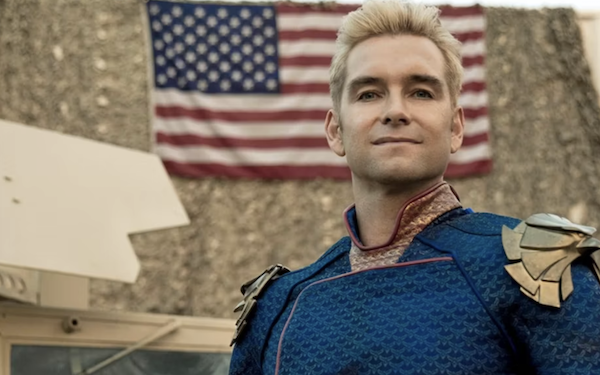
Also, let’s face it, the word “destiny” has been ruined by heroes. It’s my destiny to save the world! is a grandiose entertainment trope, popularized by pop-philosopher Joseph Campbell, George Lucas, Bill Moyers, and countless writers who are probably projecting a little too much of their own hopes for redemption – or anger about those who have achieved redemption – into their stories.
The idea is that some of us have special destinies that we must live out. Usually these destinies involve prophecy, big statements, instructing others… Basically the bread and butter of popular spiritual influencers.
They’ve perceived their destinies and oh my gosh they are going to TELL YOU ALL ABOUT IT.
Usually they want to get you in line with their destiny somehow, too, as a validating presence. Which is why the hero image is everywhere, often in the form of the “warrior.” Podcasters, fitness gurus, religious zealots (crusaders!), even Mama bloggers have talked nonstop about big warrior energy (BWE!) in a way that make the psychoanalytic concept of penis envy seem too, um, small in its scope.
The problem with the hero’s journey is that it’s irrelevant to destiny whether you are a “hero” or not.
Here’s a quote from Julian Barnes’s excellent novel, The Noise of Time, which traces the life of composed Dimitiri Shostakovich and his dance with the compromises and threats of the Soviet era and Stalin:
The truth is, every moment is a decisive moment when it comes to destiny. Destiny is always working, whether it’s visible to us or not. So a hero’s milestones might not be all that special. If they were special, maybe they wouldn’t need to convince us of their specialness.
The unendurable challenge of destiny comes to all of us, at all times, across the arc of our lives, not merely in decisive moments. Sometimes we have a heroic spasm, but often we are brave cowards, dancing with it.
A little more on all this to drive it home:
It’s true that awareness of the importance of our being, and the arc of our lives from birth to death, brings us into a correct relationship to destiny. But heroism doesn’t necessarily bring us closer to that awareness.
The wellness world gives us plenty of evidence for this. Think of the ways that people who are incessantly tracking their fitness lose track of the rest of their lives or even why they want to be fit in the first place. Or the fact that someone who shows off his 6 pack abs all the time is never really naked because he has replaced hiding the vulnerability of nakedness by wearing clothes with never feeling uncomfortable while naked.
(Trust me, I have a lot of experience with this one in my own fumbles with destiny.)
Rather than being a sign of real courage, heroism and its accompanying warrior mode can be signs of disregulation and being out of step. Here, I’ll put it glibly:
While superheroes often wear masks, it’s less often considered than heroism itself is the mask.
The hero’s journey is, more often than not, a path to avoiding destiny.
BAD DESTINY # 3: THE NOTHING

This one is pretty simple, but also pretty popular, and maybe it’s made a little appearance for you as you’ve been reading this. Destiny? What Destiny? There’s just no such thing.
For the nothing version of Destiny, all that you’ve got in your big strong hand when you’re holding destiny is… air. You’ve got a clenched fist. So Destiny becomes merely an un-useful or dated concept.
I don’t want to get into the big arguments of whether God or the spiritual world or whatever exist; just to say that it is certainly true that Destiny is often not a useful concept. But it is always more useful than the nihilism of the nothing.
Why?
Because the poles of destiny are already present for you. You were born, and you will die. These are conditions of what is. What happens between the poles is where Destiny-work takes places.
Any question of how to live or how to be in the world is a question of how to deal with being born and dying, two poles of destiny.
In occultism, we think of these two poles as the action of love and the presence of truth. (But more on that in the course.)
The bottom line is, if you’ve ever thought of improving your life or making the world a better place, or even just wishing for a better world, you’ve engaged with your destiny.
How do I act when it seems the world is not going to care? Or if every action is a huge responsibility? Or if you can’t distinguish what’s important or not, what’s heroic or cowardly and more.
To grapple with all the above, and to form a better concept of what destiny is, a good concept, a concept that relates my personal development to world development, I try to attend to being with Destiny-work.
*
I’ll be exploring all of this and more in my online course, live call, and one-on-one offering:
UP FROM RUINS:
USING DESTINY-WORK TO CONNECT SELF-DEVELOPMENT & WORLD CHALLENGES
- ∴ Exclusive new offering UP FROM RUINS: USING DESTINY-WORK TO CONNECT SELF DEVELOPMENT WITH WORLD CHALLENGES, 90 minutes, streaming on July 1, available as a recording July 2
- ∵ Live call on July 9 available as recording on July 10
- ∴ LIMITED option for one-on-one Destiny-work meeting
- ∵ Resource list for all participants featuring readings, exercises, links to
- investigate deeper, poetry, a playlist, and more.
DOORS OPEN to patreon patrons June 8 and to everyone else June 11.
Portal for one-one-one work closes JUNE 19 (or earlier if holding capacity is reached)
Streaming lecture July 1 (2PM EST)
Recorded lecture posts July 2
Live call July 9 (12 noon EST)
One-on-one leadership work scheduled individually
or for more info, click here.

 Conner Habib
Leave a comment