LISTEN VIA SOUNDCLOUD ABOVE OR: Apple Podcasts • Spotify • Breaker • Anchor
This podcast is part of my good life, is it part of yours? Does it offer you new ideas or feelings of inspiration? Does it introduce you to new books and thinkers and art and possibilities? If so, do support the show. Let‘s connect more to what brings us the good life in what appears to be absolute madness.
Please give a one–time annual or monthly pledge to Patreon.com/connerhabib to connect to and support the show.
AGAINST EVERYONE WITH CONNER HABIB IS EXCLUSIVELY FUNDED BY LISTENERS. There is no other money coming into this podcast, since advertisements from sponsors don‘t fit with the mission of AEWCH. Additional avenues of support include giving the show a warm review on Apple Podcasts and subscribe to it. You can also buy my novel Hawk Mountain.

Friends,
Every day, it feels like world circumstances aren’t just hopeless, but impossible. Tactics for resistance don’t seem to work, new horrors appear, and the ability to access a calm and engaged life can even seem, at times, to be beyond us. How do we approach the impossibility of changing the world?
What we need is something that generates new directions and pathways, new visions and ideas, new strategies and tactics. And before we do that, we need to access the spiritual fact that these directions, visions, and strategies are available to us in the first place.
This won’t be the sort of work we’re used to, because we are pushing into the new. Working through the impossible is like walking through water when what’s needed is to walk on it.
But there is a moment when we find ourselves rising above the reflective line of surface and it will seem baffling to us that we hadn’t known all along how to do it.
We will have to locate, for instance, the promise located in our old tactics. We will have locate the usefulness in the absurd. We will have to find connections where before we saw oppositions, distinctions where once we saw enemies.
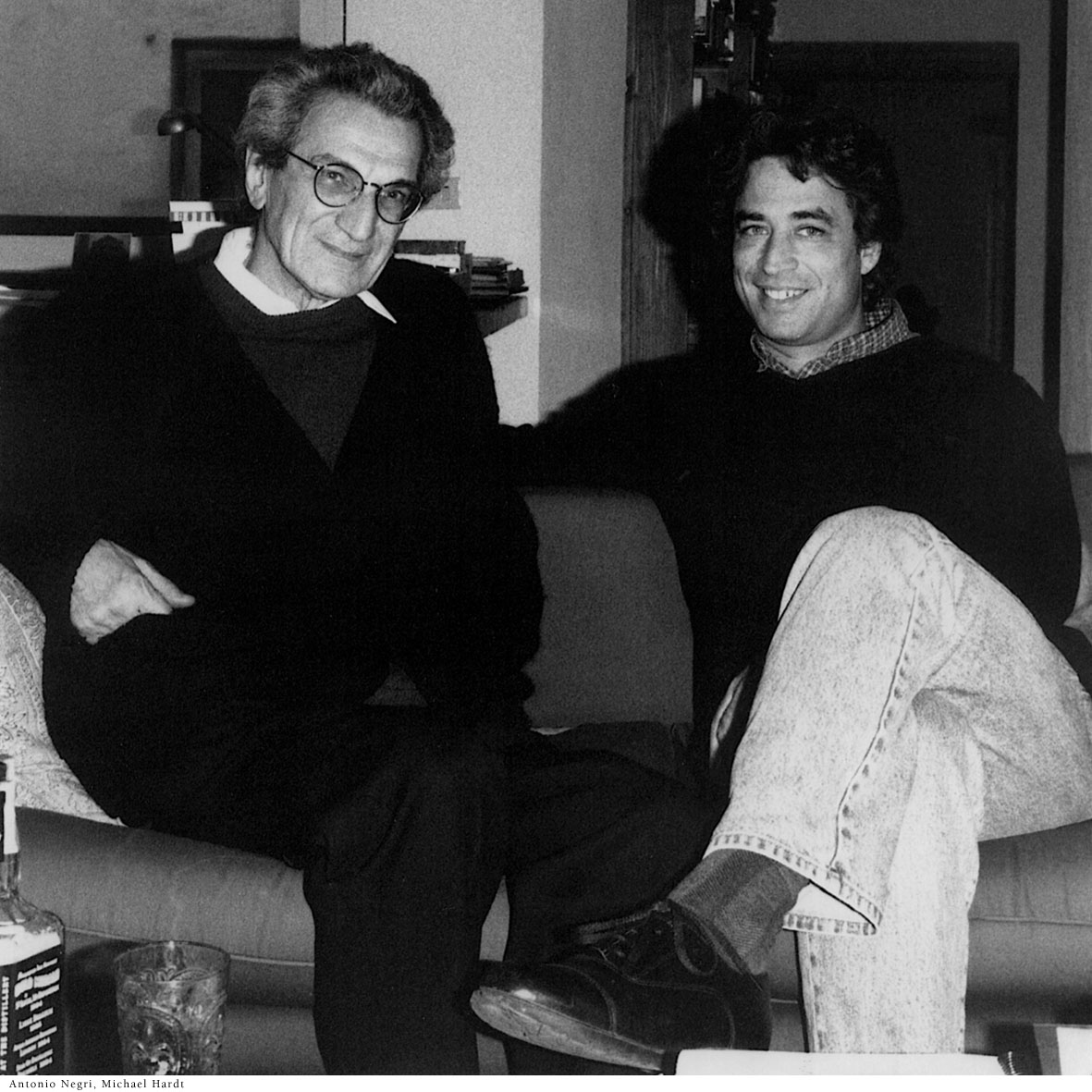
One of the best people I know to talk with about all of this is philosopher and political theorist, Michael Hardt. His latest book is The Subversive Seventies – a plain language, easy-to-read assessment of the innovation of creative and resistance movements in the 1970s.
If you hear that there’s a book on the 70s and think it’s just historical, that it won’t feel enlivening to read, or that it will feel like romanticization of another time, disregard that misleading thought. Teh Subversive Seventies is such a powerful and moving book that will restore your confidence in the ability of people to have new visions of the world and new ways of eroding obstructive power. It is, in fact, one of the most vital and vitalizing books I’ve read in a long time.
As Michael says, in many ways, the seventies were ahead of us. Why? Because the aspirations were huge. Not just resistance, but innovation. Not just stopping war, but generating togetherness. Not just replacing those in power, but generating completely new structures to live with. It certainly connects to the spiritual principle that to truly fight evil, it is not enough to directly battle with it. Rather, to fight evil, we must create good. From gay liberation, black liberation movements, and antinuclear movements in the US, to the Autonomia movement in Italy, the Sanrizuka struggle in Japan, and the Carnation Revolution in Portugal. It is a picture of a world in a liberation moment and project. The picture has all the details of differing tactics and huge ideas, as well as connections and inspirations.
Michael was last on the show on AEWCH 120 previous books with Antonio Negri are perhaps better known. They are themselves absolutely liberating. They are Empire, and its follow ups: Multitude: War and Democracy in the Age of Empire, which was followed by Commonwealth, and finally, Assembly.Few books about political theory come as close to a spiritual picture of revolutions, liberations, pictures of power, and pictures of how meaningful life can thrive in the midst of challenges.
On this episode we try to meet some of the challenges of today. Why do movements only really gain massive traction when they are seen to be responding to oppressive violence? Do protests work? What can we learn in their failures? Can we act in pivotal moments, or are we always too late by the time we see the problem?
This episode presents a conversation that tries to grapple. Failing, striving, succeeding, failing again. It echoes, in a sense what Michael points out again and again about movements. That movements create concepts – we’re not just acting, but we’re changing how we view the world as we act, and even how we can view the world.
I’m so happy to share this conversation with you, maybe it bring inspiration to think and feel and do differently.
MORE ON MICHAEL
Buy all of Michael’s books. Really. You’ll never see the world the same way after you’re done. For more on Michael, here’s a long interview with him at The White Review. Here’s an incomplete but nice little 4 minute intro to Empire. And here’s a free digital copy of Declaration, a sort of anti-manifesto manifesto written by Michael and Toni. He’s also the author of an excellent book on Deleuze: Gilles Deleuze: An Apprenticeship in Philosophy,
 Conner Habib
Leave a comment